Capri2.8i wrote:
My dad swears by braking just before the bump, to shift the weight to the front springs and as they release it helps the suspension to rise with the hump. I've tried it myself, and it does feel smoother, but to get some benefit you have to have a resonable amount of speed to be able to break enough to make a diference. This often means having to speed up in between each hump, a tad annoying. But I'd say it does help.
This is exactly what I do - in a 30 limit with humps that my car can comfortably take at 15, say, I stay in 2nd gear, and accelerate to 30 between humps, then brake hard to compress the front suspension just before the hump, then lift off so the front of the car is rising as the front wheels hit the hump at 15mph. Gives the car much less of a jolt than trying to drive over at a steady 15mph.
The other thing you can do is swerve gently from side to side, to drive over them at an angle, thus reducing the steepness of the gradient change.
Regarding the original post, I see a lot of what I term "buffer zones" around here, where they reduce a speed limit below what you would otherwise set for a particular stretch of road. E.g. where we used to have 50 transitioning to 30, we now have half a mile of the 50 reduced to 40, presumably to try to make it more likely people will slow down for the 30 section. But it's silly, because where the 40 section starts, it's arguably the safest stretch of the road for a few hundred metres, so you go from a 50 limit to a safer stretch that is now a 40 limit. Indeed modern legislation in general seems obsessed with "buffer zones" by which I mean behaviour which is not harmful in itself is made illegal in an attempt to prevent harmful behaviour. As a simple example, carrying a knife is not harmful in itself, only using it to harm someone is, but the law makes it illegal to carry a knife, to create a "behavioural buffer zone".

 Login
Login Register
 FAQ
FAQ Search
 Members



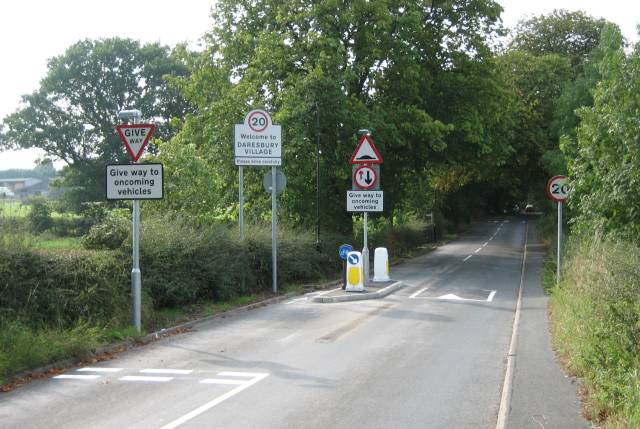
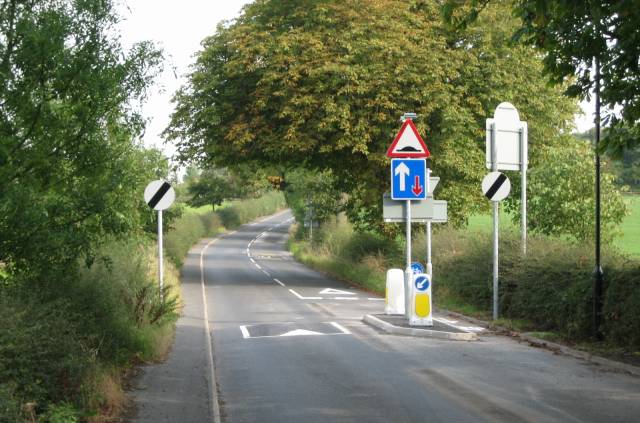
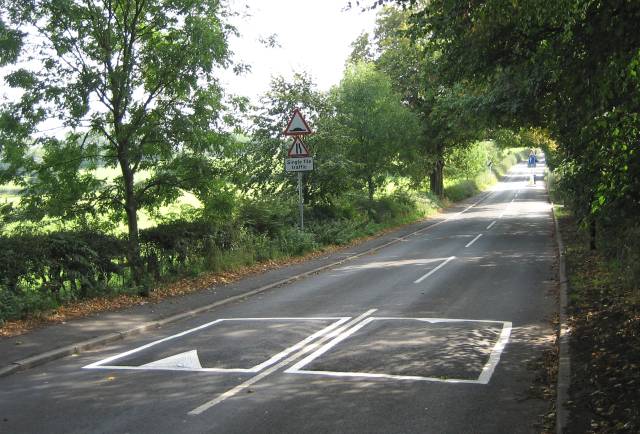
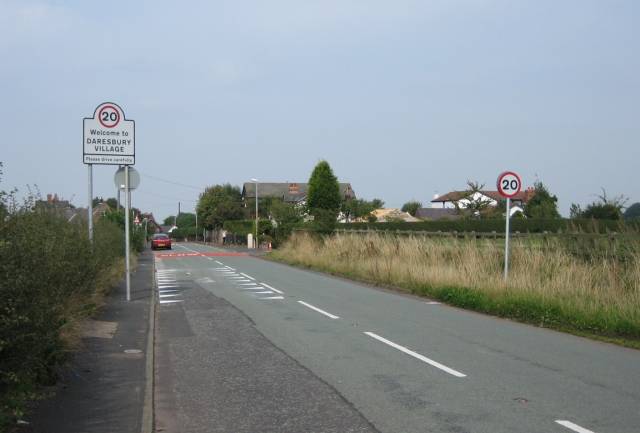
 signs anyway), but it's also got a narrow section with a junction, some driveways and a zebra crossing, plus another junction just beyond that. It's the last sort of place you want to have drivers checking the bloody speedo instead of watching the road. Any idea if they ever do scamera enforcement there? Not seen any myself but I only use it 3 or 4 times a year.


